The making of Rajaji
A village in Salem district, a college in Bangalore, a law degree in Madras and twenty years at a district bar. Nothing in the first half of his life announced the second.
Chakravarti Rajagopalachari was born on 10 December 1878 at Thorapalli, a village in the Hosur taluk of Salem district in the Madras Presidency — today part of Krishnagiri district in Tamil Nadu. His family were Tamil Iyengars of modest means; his father held a local judicial post, and the household was orthodox, careful and literate.
He was a small, frail child, and the family remembered him as often ill. He was schooled first at Hosur, then sent to Central College in Bangalore, and finally to Presidency College in Madras, where he took his law degree in 1897. In 1900 he enrolled as a lawyer.
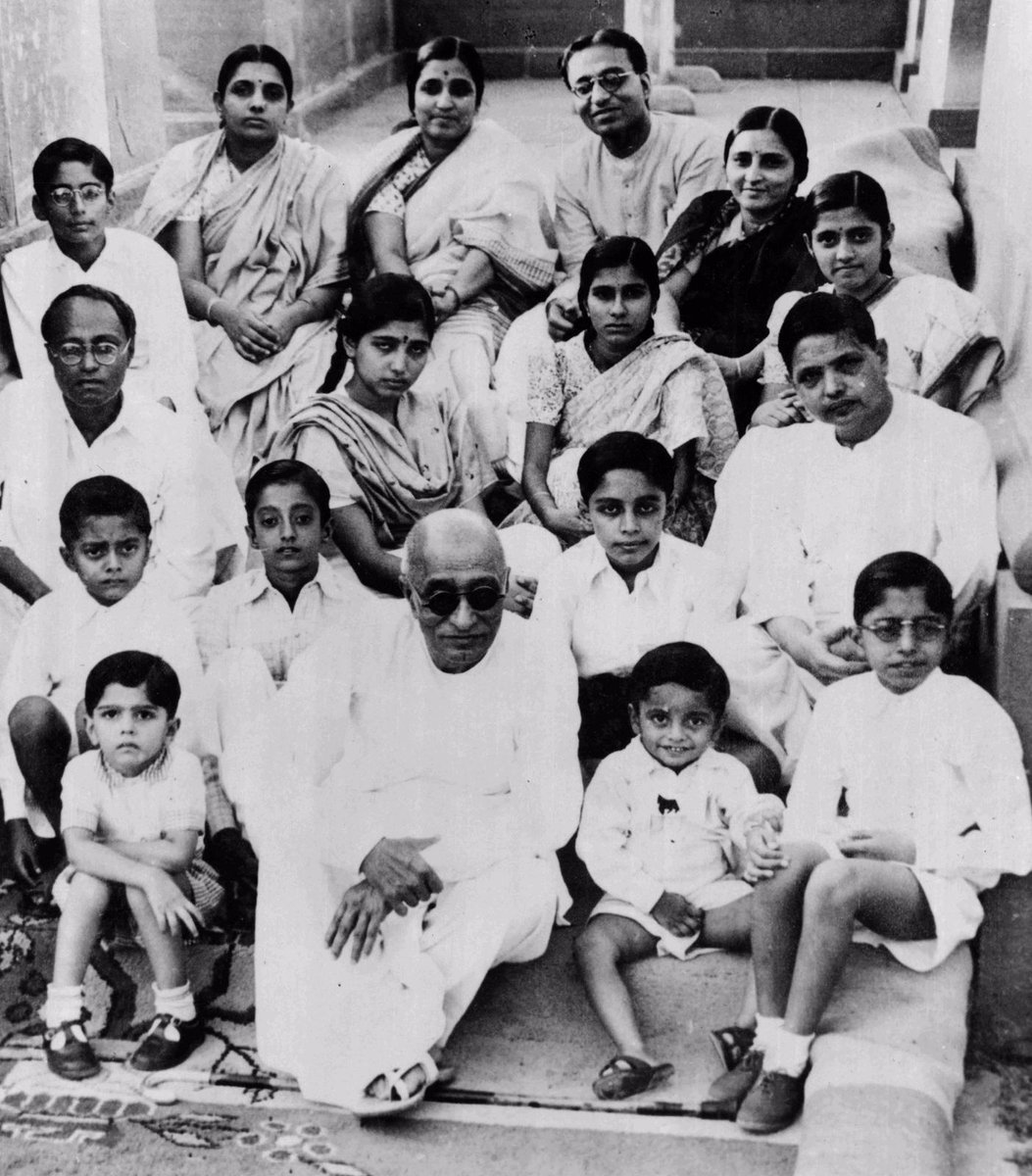
He married Alamelu Mangamma; she died in 1916, and he did not remarry, raising their children through the decades of political work and imprisonment that followed. His daughter Lakshmi married Devadas Gandhi, the youngest son of Mohandas Gandhi, in 1933 — a marriage both fathers initially resisted, and a connection that later placed Rajaji at the centre of one of India’s most written-about families.
A note on childhood storiesMany popular accounts of Rajaji’s boyhood circulate as anecdote without a documentary source. Only details attested in biographies and family records are given here; charming stories that cannot be traced have been left out.
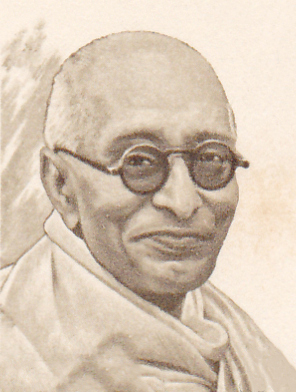
- Full name
- Chakravarti Rajagopalachari
- Known as
- Rajaji; C. R.
- Born
- 10 December 1878, Thorapalli
- Educated
- Central College, Bangalore; Presidency College, Madras
- Law degree
- 1897
- Enrolled as a lawyer
- 1900
Twenty years of briefs
Rajagopalachari practised at Salem, a district town well away from the presidency capital, and made his reputation there rather than in Madras. Contemporaries described a lawyer of unusual clarity: spare in argument, quick to concede a bad point, and formidable on the narrow ground he chose to hold.
Law also gave him his first public office. He was elected to the Salem municipality in 1917 and served as chairman of the municipal council — local government at its most practical, concerned with water, roads, schools, sanitation and the raising of rates. It was an apprenticeship in administration that most of his later colleagues in the freedom movement never had.
The influence ran the other way too. His political writing keeps the shape of legal reasoning: a question stated, the facts admitted, the opposing case put at its strongest, then the conclusion. When he later broke with the Congress majority, he broke the way a lawyer does — by publishing the argument.
A private life, plainly lived
Rajaji kept an austere household. He wore hand-spun khadi from the 1920s onward, ate simply, and worked to a fixed daily routine of reading and writing that survived office, imprisonment and old age.
He was a practising Hindu who read the epics and the Gita all his life, and equally a reformer who campaigned against untouchability and for the entry of Dalits into temples. He saw no contradiction in this: his argument was that the tradition, properly read, did not require the exclusions that had grown around it. Others — including reformers who wanted the tradition itself contested — disagreed sharply, and that disagreement follows him through the rest of this site.
Born on 10 December at Thorapalli, Salem district, Madras Presidency.
Takes his law degree at Presidency College, Madras.
Enrols as a lawyer and begins practice at Salem.
His wife, Alamelu Mangamma, dies. He does not remarry.
Elected to the Salem municipality; serves as chairman of the council.
Joins the agitation against the Rowlatt Act and meets Gandhi; gives up his practice for political work.
His daughter Lakshmi marries Devadas Gandhi, the youngest son of Mohandas Gandhi.